In 2025, furniture moves beyond function. It becomes emotional, intentional, and deeply connected to the way we live. The shift is subtle but powerful. Spaces are no longer about visual noise or fleeting styles. They are about softness, slowness, and a return to calm.
Below are five defining furniture trends for 2025 that will shape the future of interior design.


The Top 5 Furniture Trends 2025:
Sculptural Calm, Earthy Elegance, and Quiet Power
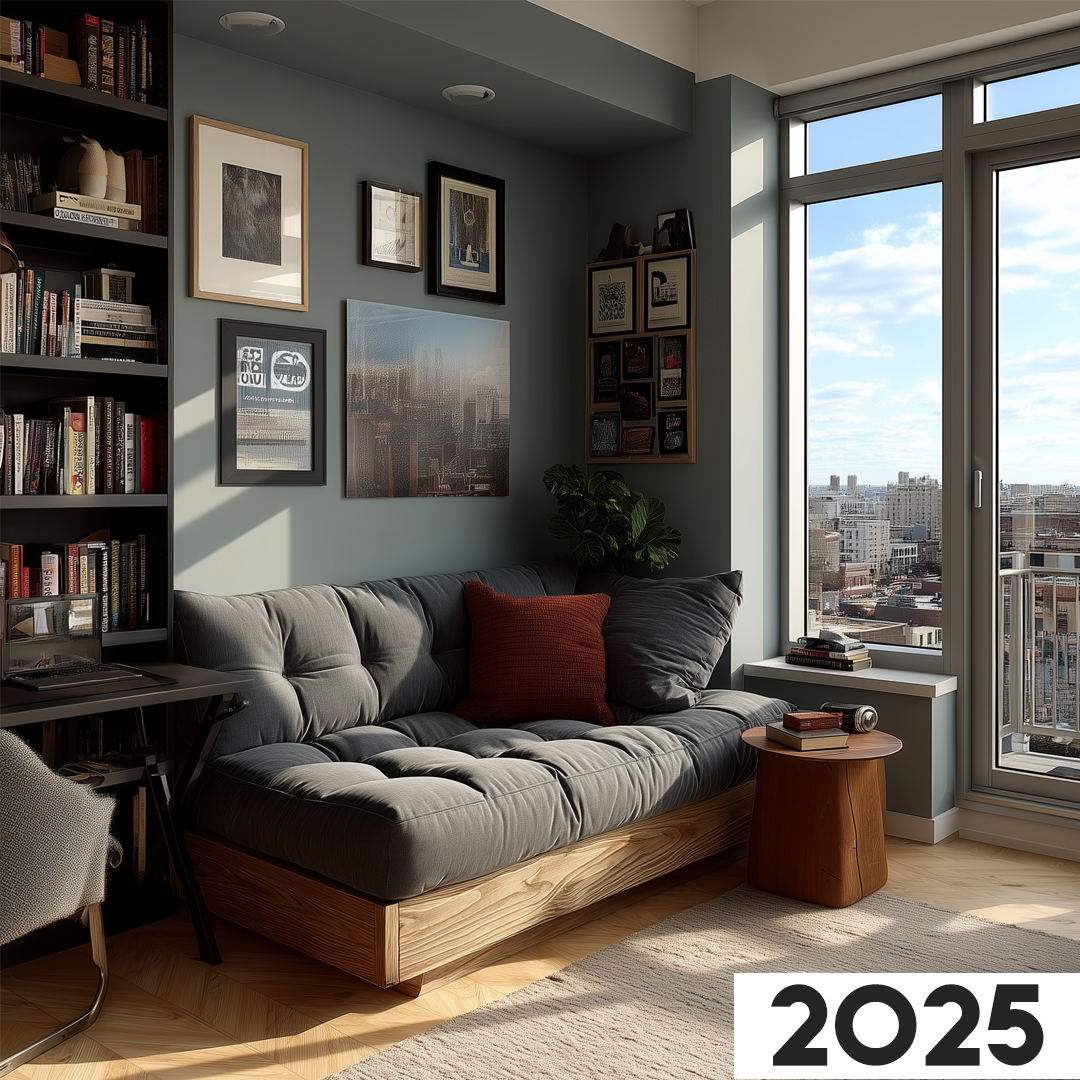
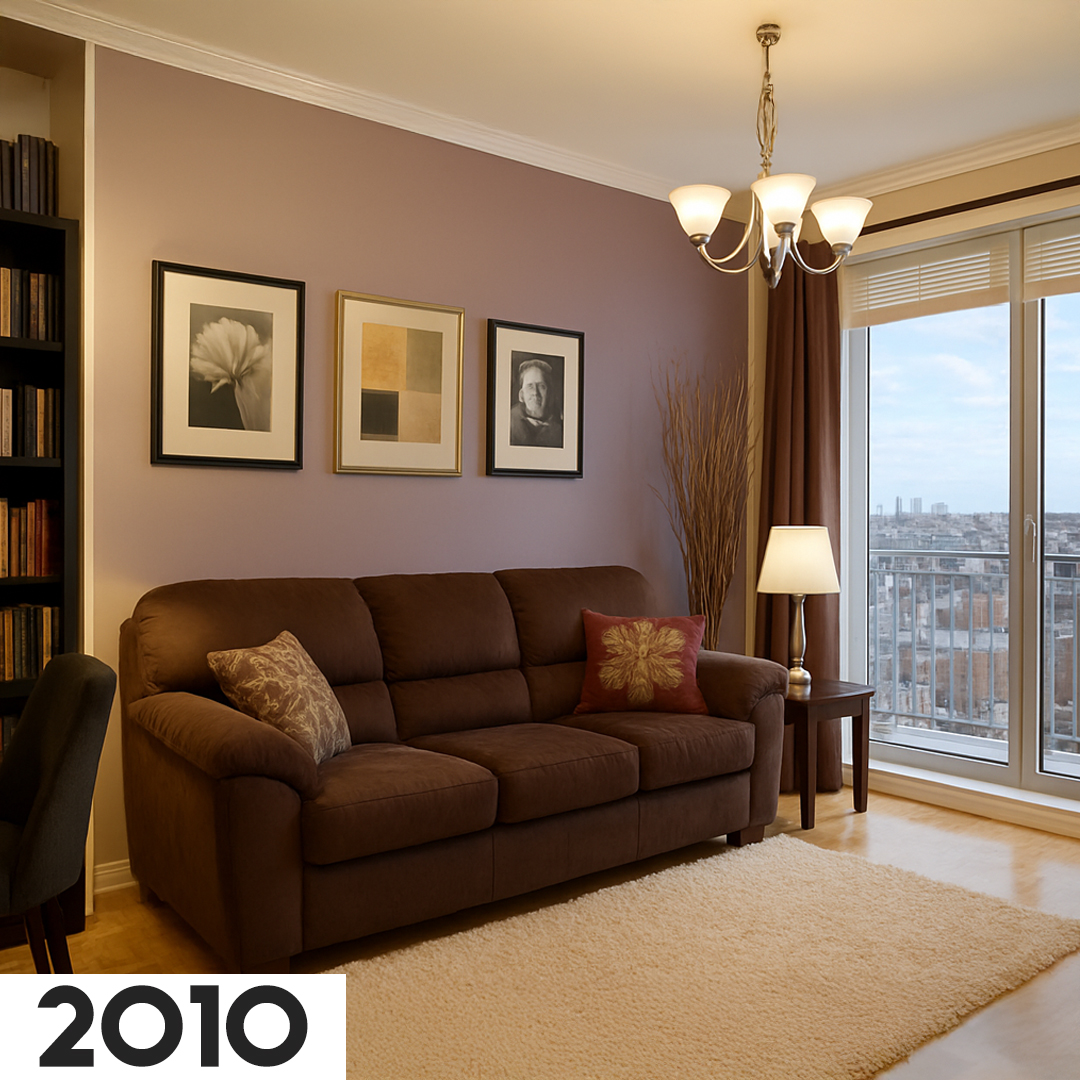
Curves are everywhere in 2025. Edges soften, lines relax, and structure gives way to flow. Sofas sit closer to the floor, coffee tables take on rounded shapes, and accent chairs look more like minimalist sculptures than traditional seating.
This trend is not purely aesthetic. It reflects a deeper shift toward comfort, softness, and emotional connection with the objects we live with. The popularity of organic forms signals a desire to move away from rigid, over-structured spaces and toward interiors that feel more human and nurturing.
This style invites stillness. It draws inspiration from nature and allows each piece to feel like part of the environment, not separate from it.

1. Sculptural Silhouettes and Organic Forms
Natural materials take the spotlight. Reclaimed wood, clay finishes, textured stone, linen, and oxidized metals are favored for their warmth and honesty. These materials carry the beauty of imperfection and feel grounded in time.
Designers are choosing surfaces that feel as good as they look. Texture matters. Tactility becomes part of the design language.
Designers are choosing surfaces that feel as good as they look. Texture matters. Tactility becomes part of the design language.
2. Sustainable and Earthy Materials


chalky whites
faded terracotta
charcoal gray
Faded Terracotta
Charcoal Gray
Chalky Whites
Mushroom Taupe
Olive Green
olive green
mushroom taupe
Too much Terracotta
Too much Olive Green
Lack of colors
A well-balanced color palette
3. Soft Neutrals and Mood-Based Palettes
Color palettes in 2025 are muted, tonal, and deeply emotional. Think Chalky Whites, Mushroom Taupe, Olive Green, Charcoal Gray, and Faded Terracotta. These colors do not compete for attention. They harmonize.
The goal is to create spaces that feel restorative and immersive. Mood comes first. Furniture supports atmosphere.


Functional
Flexible
Functionality focuses on purpose and practicality. Every piece of furniture serves a specific, often multi-use function to support the demands of modern life. Designers are intentional about creating items that solve real problems:
- A bookshelf that also acts as a room divider.
- An ottoman with hidden storage.
- A dining table that transforms into a home office.
The core idea is efficiency — maximizing the use of each item without compromising on quality or style. Functional design ensures that every square foot of space works harder and smarter
Flexibility is about adaptability and transformation over time. While functional design solves a current need, flexible design prepares for future changes. It allows the same piece to evolve with you:
- Modular sofas that can grow with your family or fit new layouts.
- Foldable, stowable, or lightweight pieces that respond to spontaneous rearrangements.
- Furniture that transitions between uses or rooms as lifestyles shift.
Flexibility is less about what furniture does right now, and more about how easily it can change. It supports a dynamic lifestyle — one where your home setup is never static but always responsive.
4. Functional and Flexible Design


quiet luxury interiors continue
their elegant ascent. After emerging in fashion circles in early 2023 with a focus on understated wealth and logo-free sophistication quiet luxury found a natural home in interior design by late 2023, becoming a dominant aesthetic throughout 2024. Its influence shows no signs of fading.
5. The Rise of Quiet Luxury
Rooted in mindful consumption, high-end minimalist design focuses on quality over quantity, emotional resonance over visual noise. It’s not about showcasing wealth—it’s about living well. This ethos is found in every detail, from refined joinery to subtle textures.
In 2025, artisanal home decor isn’t just a preference, but it’s a reflection of a lifestyle where quiet speaks louder than bold.
In 2025
quiet luxury
Rather than chasing fast-moving trends, this style embraces permanence: timeless furniture, artisanal craftsmanship, and noble, tactile materials. Think hand-finished wood, natural stone, perfect proportions, and a palette of muted neutrals. These spaces don’t scream for attention. They exude calm confidence.
interiors continue their elegant ascent. After emerging in fashion circles in early 2023—with a focus on understated wealth and logo-free sophistication—quiet luxury found a natural home in interior design by late 2023, becoming a dominant aesthetic throughout 2024. Its influence shows no signs of fading.
Maintain a recognizable brand style without using logos
In 2025
More Articles
JAPANDI STYLE
CHERRY RED
ROCOCO
REVIVAL
REVIVAL
Furniture
Trends
Trends